Transkribus Sites
Discover manuscripts, letters, and historical records, made searchable and accessible by archives, libraries, and researchers worldwide. Create your Site →


Zeitschrift des Alpenvereins
Das Historische Alpenarchiv wurde 2006 ins Leben gerufen. Der Deutsche, Oesterreichische und Südtiroler Alpenverein pflegen ihre Archivalien und Sammlungen i...
Published Oct 2024
 New Zealand
New Zealand Alpine Club
New Zealand’s alpine heritage at your fingertipsPicture by Peter Laurenso: Aoraki/Mt. Cook
Published Oct 2024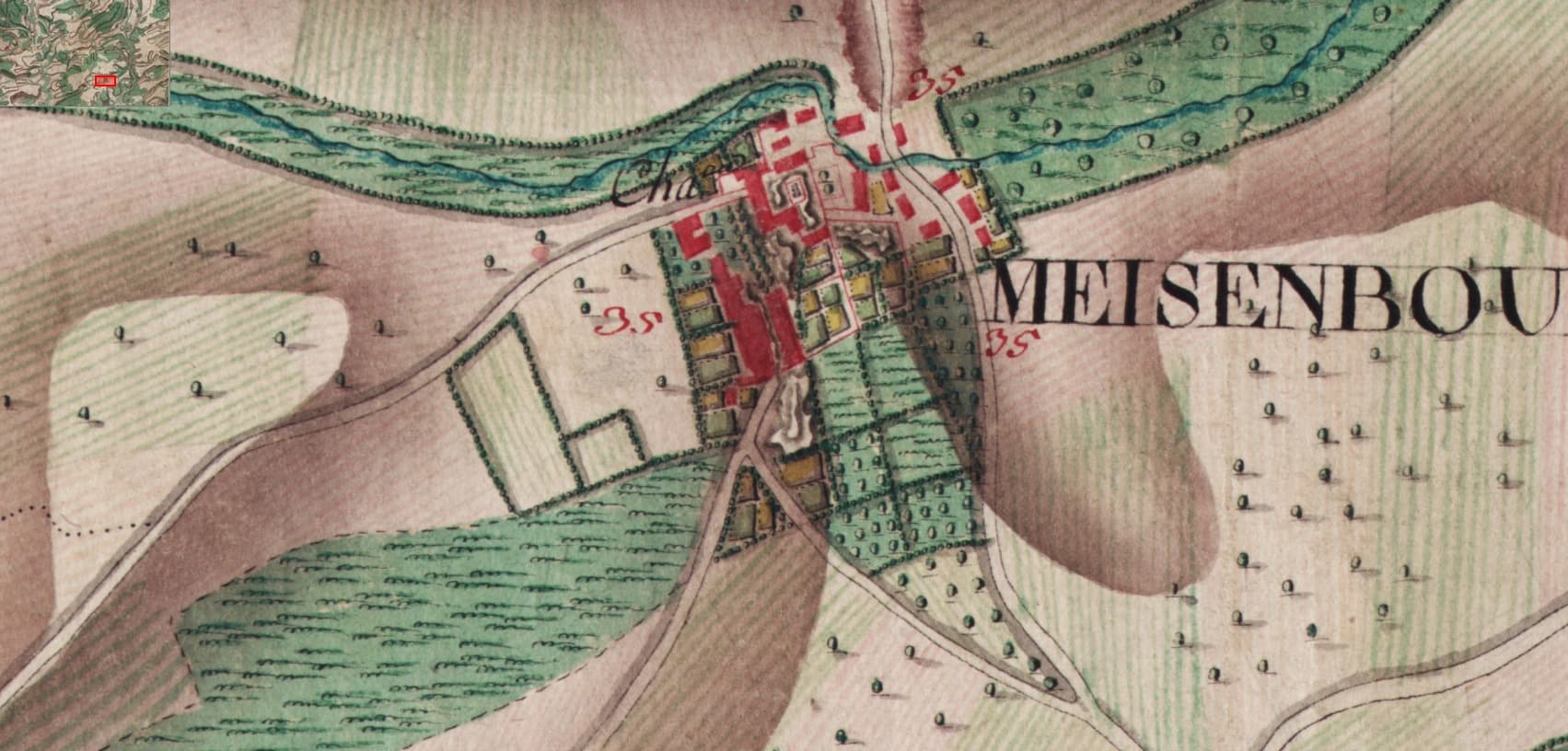

Notary acts Luxembourg XVI-XIX
Transcription of originals kept at the Archives Nationales de Luxembourg, to support genealogical research on Johan Reding of Meysembourg (1715 - 1798) and h...
Published Mar 2024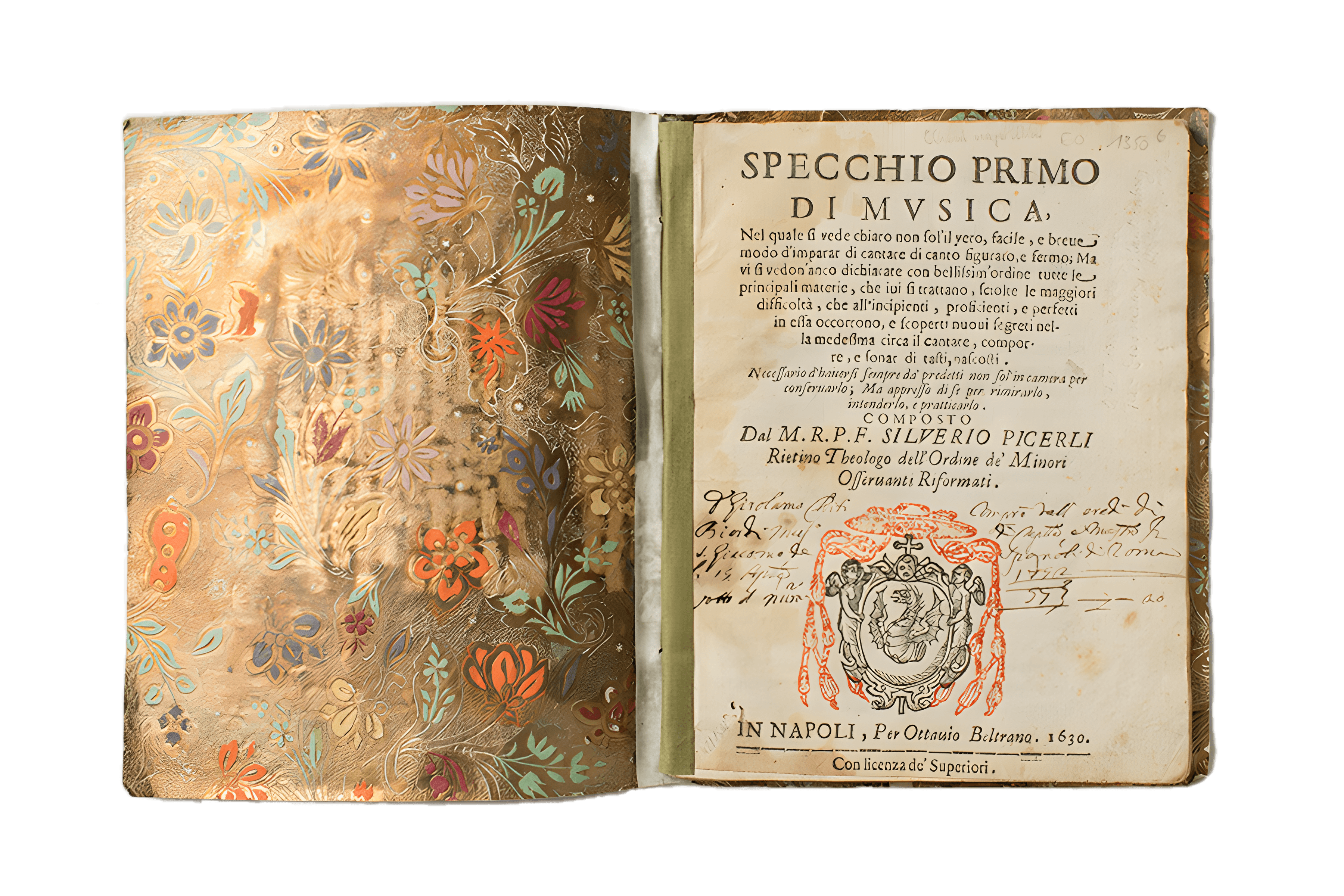
 Belgium
Ton Koopman Keywords
Orpheus Instituut
Libraries are often mistakenly seen as the mere residue of past work. The common assumption is that libraries only come into being after a creative or schola...
Published Sep 2024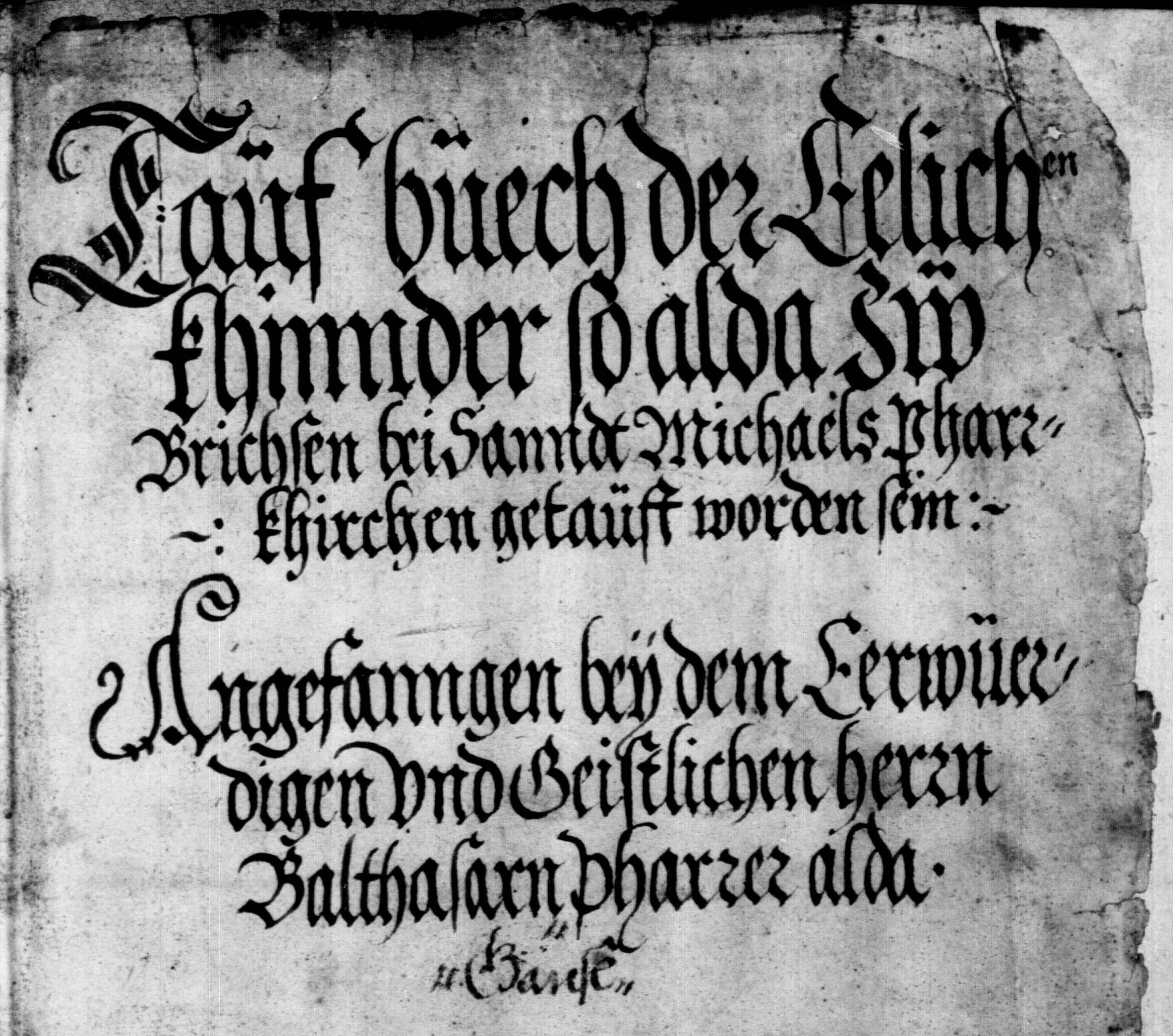
Kirchenbücher
Published Oct 2025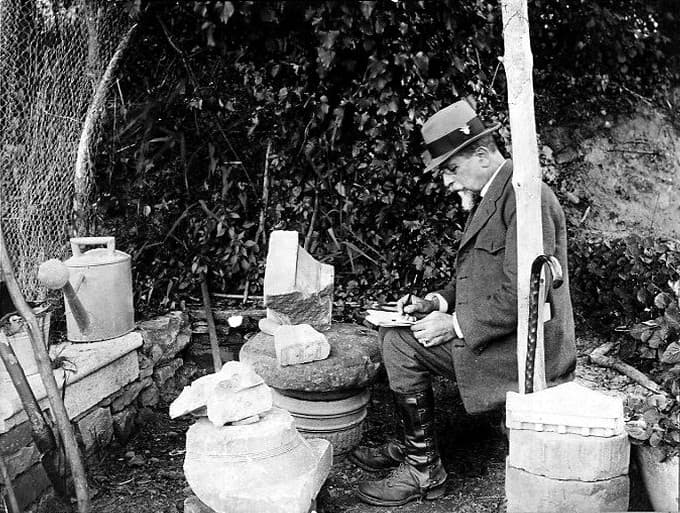
 Italy
ItalyI Taccuini di Paolo Orsi
The digital edition of the first 16 notebooks of Paolo Orsi
Published Oct 2023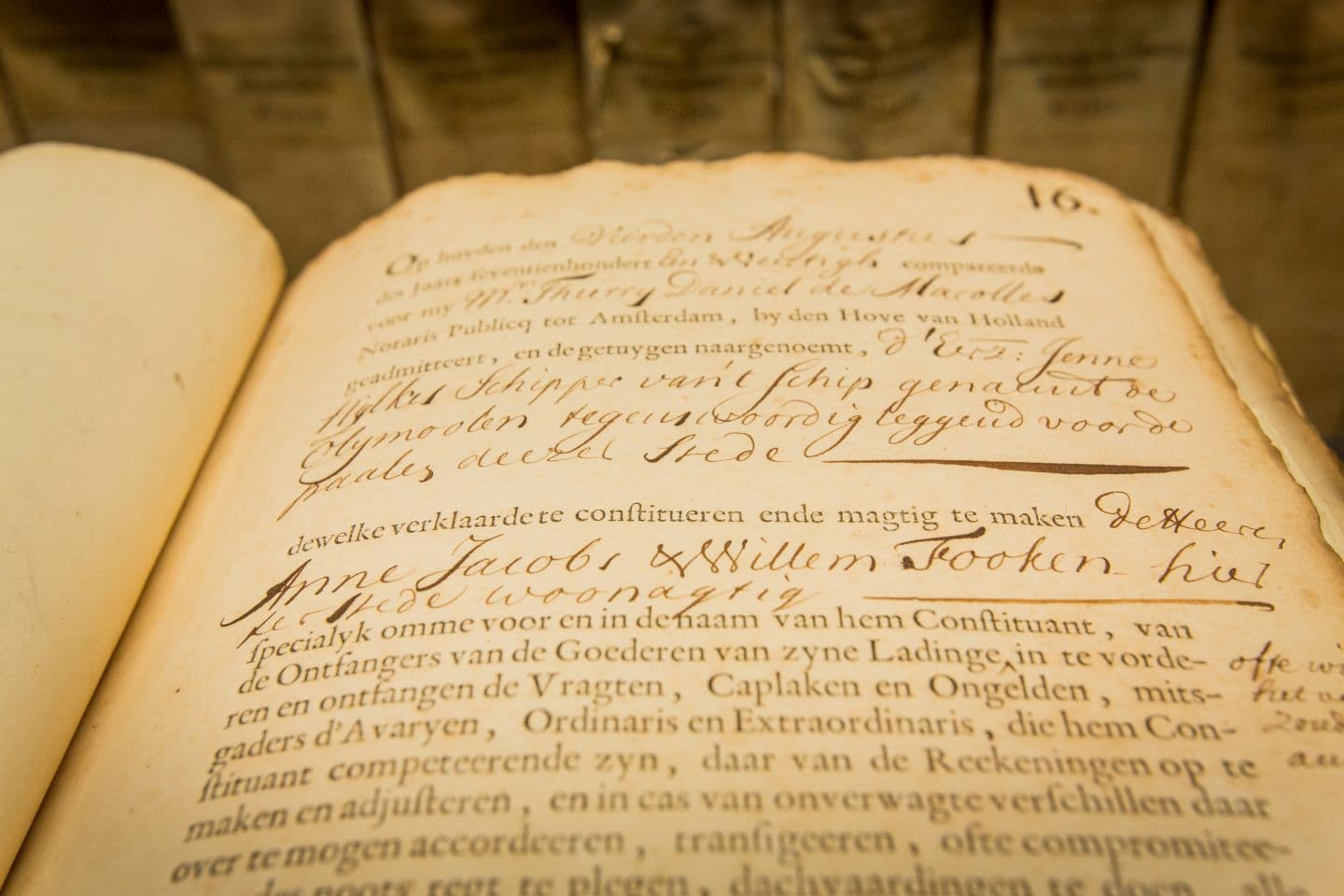
 Netherlands
Stadsarchief Amsterdam| Transcripties
Stadsarchief Amsterdam | Amsterdam City Archives
Search the handwritten pages from the archives of the Amsterdam City Archives directly.The ATR collection (Automated Text Recognition; including Handwritten ...
Published Mar 2026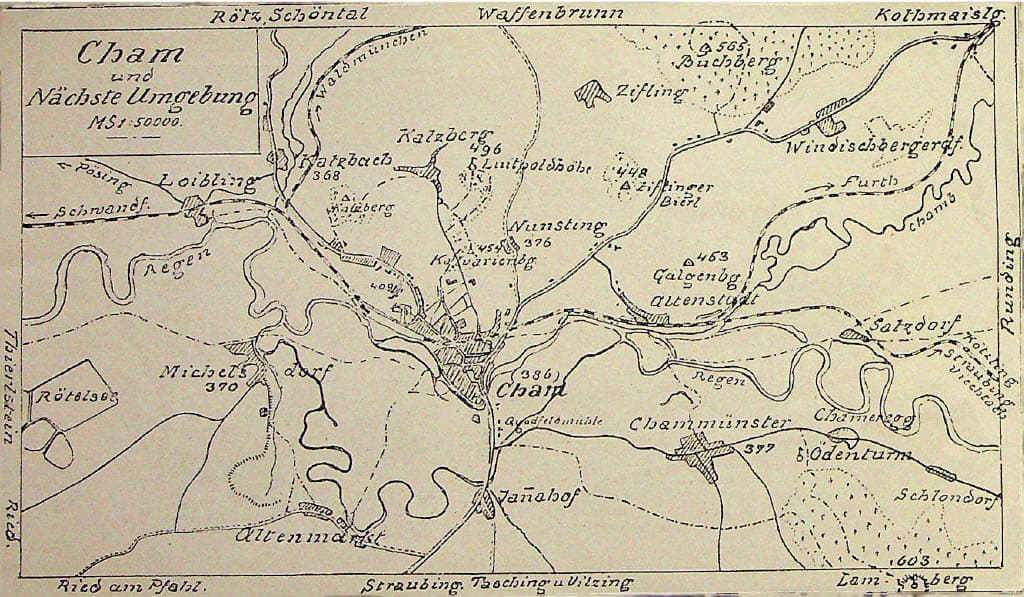
Tagebuecher Georg Ferchl
Published Apr 2026
 Lithuania
LIETUVOS VALSTYBĖS ISTORIJOS ARCHYVAS
Lithuanian State Historical Archives
Publikuojami transkribuoti fondo Nr. 378 „VILNIAUS, KAUNO IR GARDINO GENERALGUBERNATORIAUS KANCELIARIJA" apyrašai, sudaryti XIX a. rusų kalba. Veikia paieška...
Published Dec 2025
 Netherlands
Gemeentearchief Schiedam
Gemeentearchief Schiedam
Explore the transcribed sources of the Schiedam Municipal Archive. The 17th, 18th and 19th-century notarial deeds and sources from the city government betwee...
Published May 2024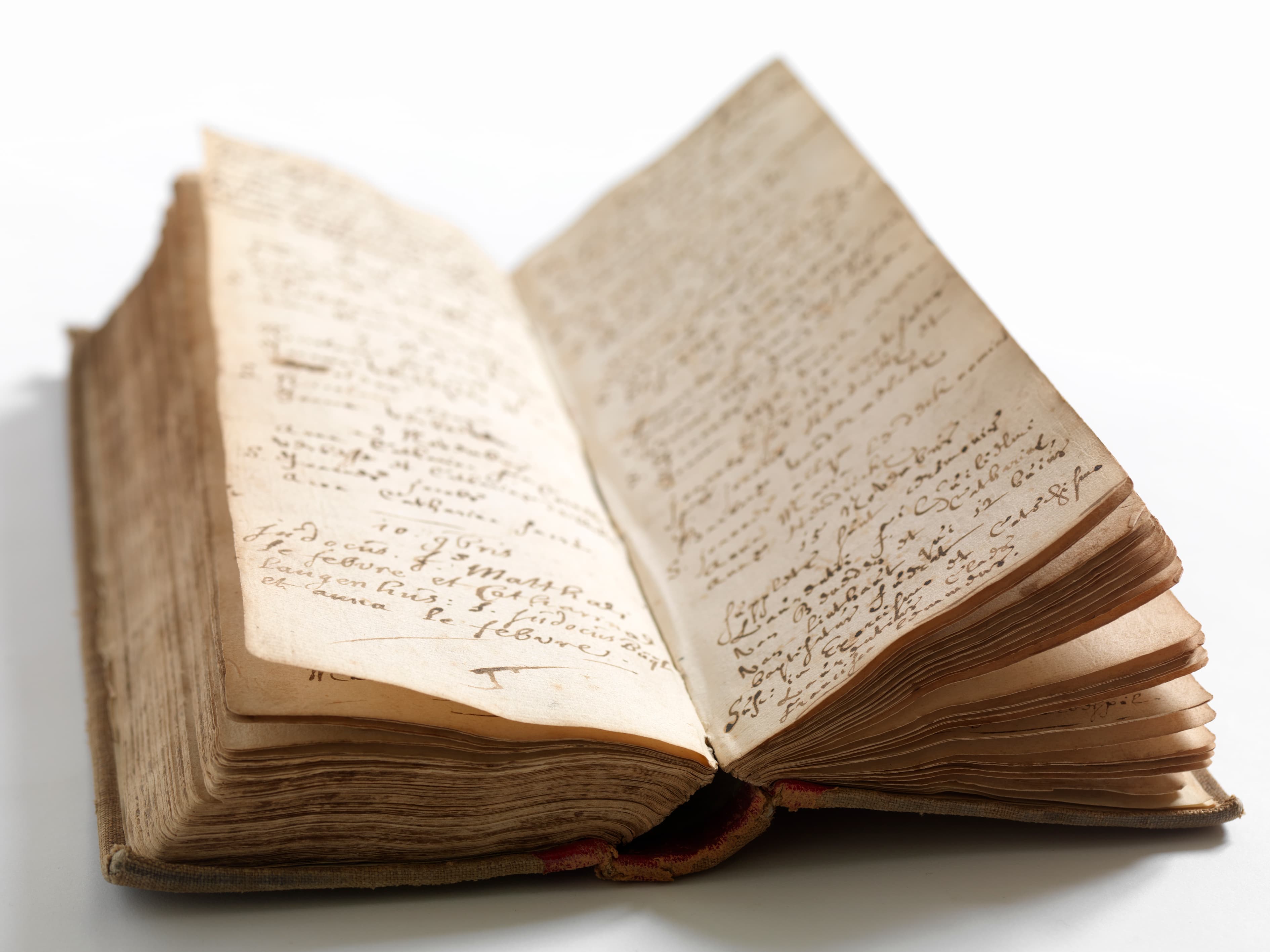
 Belgium
Stadsarchief Mechelen
Stadsarchief Mechelen
Doorzoek hier een collectie van gedigitaliseerde handgeschreven documenten uit het Stadsarchief Mechelen. Deze collectie bevat zowel door de mens gecorrigeer...
Published Dec 2024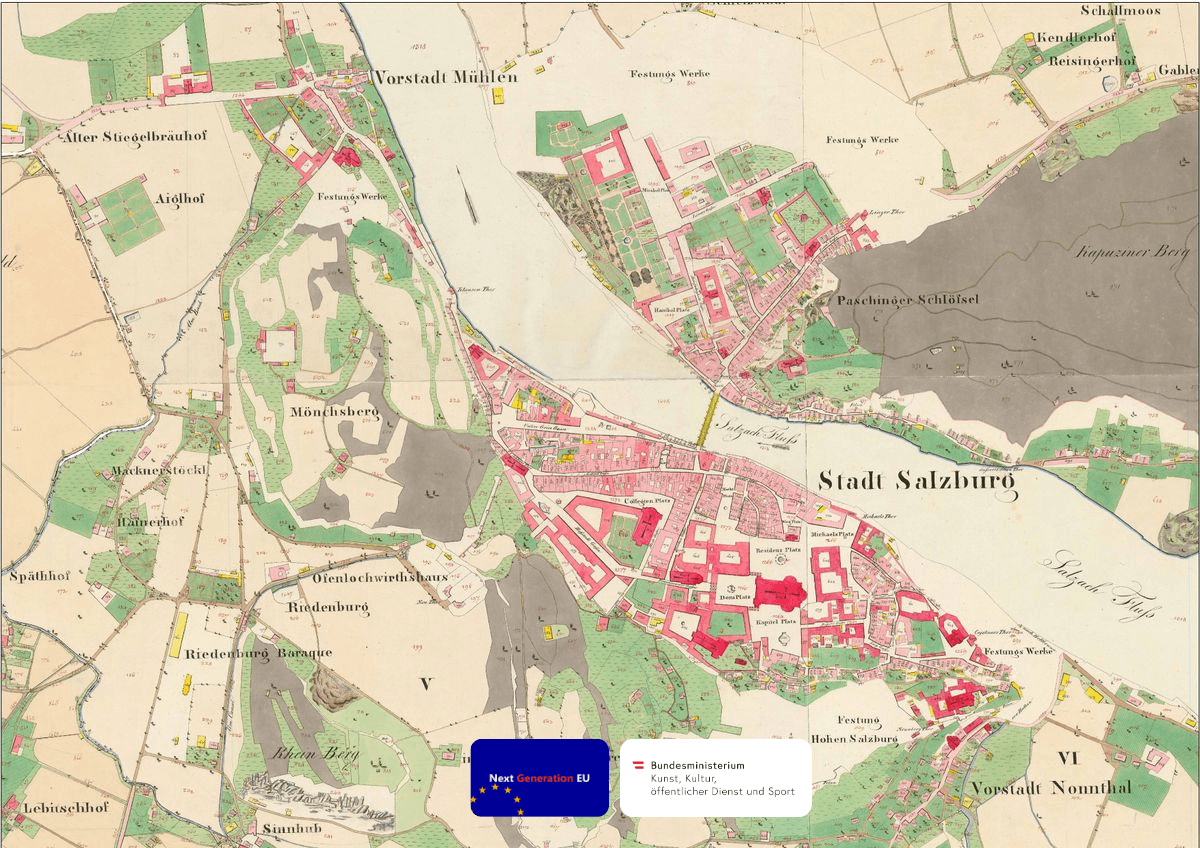 Austria
Franziszeischer Kataster - Begleitdokumente
Die Karten des Franziszeischen Katasters erfreuen sich seit Jahren großer Beliebtheit sowohl in der Forschung als auch in einer breiteren Öffentlichkeit. Das...
Published Dec 2023How to Create a Transkribus Site
From scanned documents to a fully searchable online edition in four steps. No coding required.
Upload & Transcribe
Upload your scanned documents to Transkribus and use AI text recognition to generate searchable transcriptions. Works with handwriting, print, and tables.
Enrich & Organise
Tag persons, places, and dates. Build document hierarchies, correct transcriptions, and structure your collection into browsable categories.
Design your Site
Use the built-in CMS to create a Home page, an About page with drag-and-drop content blocks, custom modules, and multilingual support with a language toggle. Apply your institution's branding, colours, and footer links.
Publish & Explore
Connect your collection, select a subscription plan, and publish. Visitors get full-text search with fuzzy matching, tag-based browsing, document hierarchy navigation, and a high-resolution viewer.
Everything You Need to Publish Online
Transkribus Sites is a purpose-built platform for publishing digitised document collections. Powered by AI handwritten text recognition, it turns scanned manuscripts, letters, and archival records into fully searchable digital scholarly editions, accessible from any device.
No Exports, No Migration
Transkribus Sites connects directly to your Transkribus collections. Train AI models, transcribe handwritten text, and tag entities, then publish with one click. Connect multiple collections to a single Site. Every update you make in Transkribus is reflected live.
Full-text Search
Visitors can search every transcribed page with powerful fuzzy matching that handles historical spelling variants, abbreviations, and OCR imperfections. Results link directly to the matching page and highlight the search term in context.
Tags & Document Hierarchies
Named-entity tags (persons, places, dates) let visitors browse and filter your collection. Document hierarchies provide structured, folder-like navigation so users can explore large archives by series, volume, or any custom structure you define.
Built-in CMS
Create a Home page with background images and descriptions, an About page with drag-and-drop content blocks (text + image layouts), and your own custom modules. Rearrange content blocks to build the narrative that fits your project.
Multilingual Support
Add multiple interface languages with a built-in language toggle. Translate all UI text, page content, and metadata through a key-value editor. Preview translations instantly to ensure your Site works for an international audience.
Branding, Analytics & Collaboration
Apply your institution's colours, logo, and footer links. Track visitor behaviour with built-in analytics. Invite team members as Site collaborators with controlled access so multiple people can manage content and settings.
Want to publish your own digital collection?
Create a searchable online edition of your handwritten documents with Transkribus Sites. Used by state archives, university libraries, and cultural heritage institutions across 20+ countries.
Frequently Asked Questions
Do I need to export documents before publishing them on a Site?
No. Transkribus Sites ties in seamlessly with your Transkribus collections. You don't need to export documents. Just connect your collection and publish.
Can I continue editing after publishing?
Yes. You can continue working on your collection in Transkribus. Any changes (corrected transcriptions, new documents, updated tags) will be reflected on your Site once you re-publish.
Is Transkribus Sites customisable for my institution?
Yes. You can customise the visual appearance (colours, logo, background images), add multilingual content pages, and configure which metadata fields are displayed. Advanced technical customisations are available on request.
Can tags and annotations be displayed?
Yes. Tags created in Transkribus (such as person names, places, and dates) can be browsed and searched on your published Site, enabling structured exploration of your collection.